The adventure of a poor Christian

Image results for FontamaraOf Roberto PECCHIOLI
The adventure of a poor Christian was Ignazio Silone's last literary work, the author of Fontamara. Exit with great success in the fateful 1968, recounts the convulsive Roman and Neapolitan months of Pietro di Morrone, the monk who ascended to the papacy in 1294 with the name of Celestine V after infighting of a corrupt church, returned after a few months to his hermitage in the Maiella mountains following the abdication that Dante called "the great refusal". Silone intended to represent the opposition between the individual and the Church in his fellow countryman Abruzzo, even more so the irreducible gap between the honest man and power.
Following the paths of disarmed Catholicism has become the daily adventure of poor Christians. We believed that nothing could surprise us more than what comes out of the mouths of members of the hierarchy, but we were wrong. In recent weeks, two significant episodes have caused new disturbance and renewed dismay. The first is the phone call between Gianni Vattimo, marxist philosopher, proclaimed homosexual, standard bearer of postmodern nihilism in the insidious form of so-called weak thought, and the tenant of Santa Marta Jorge Mario Bergoglio. Between the two, whose approach was perhaps favored by the class's common condition as conscripts 1936, the most concrete was the Turin thinker, which, according to the reconstructions, he would have proposed to his successor (or better, to the impostor, n.d.r.) of Pietro to put himself at the head of a sort of international against the excessive power of money. Vast programme, commendable and widely shareable, but certainly distant from the religious mission. Read More
Share

Berlusconi achieved sixty-eight?

Of Roberto Pecchioli
Berlusconi achieved sixty-eight?
Source: Heretically
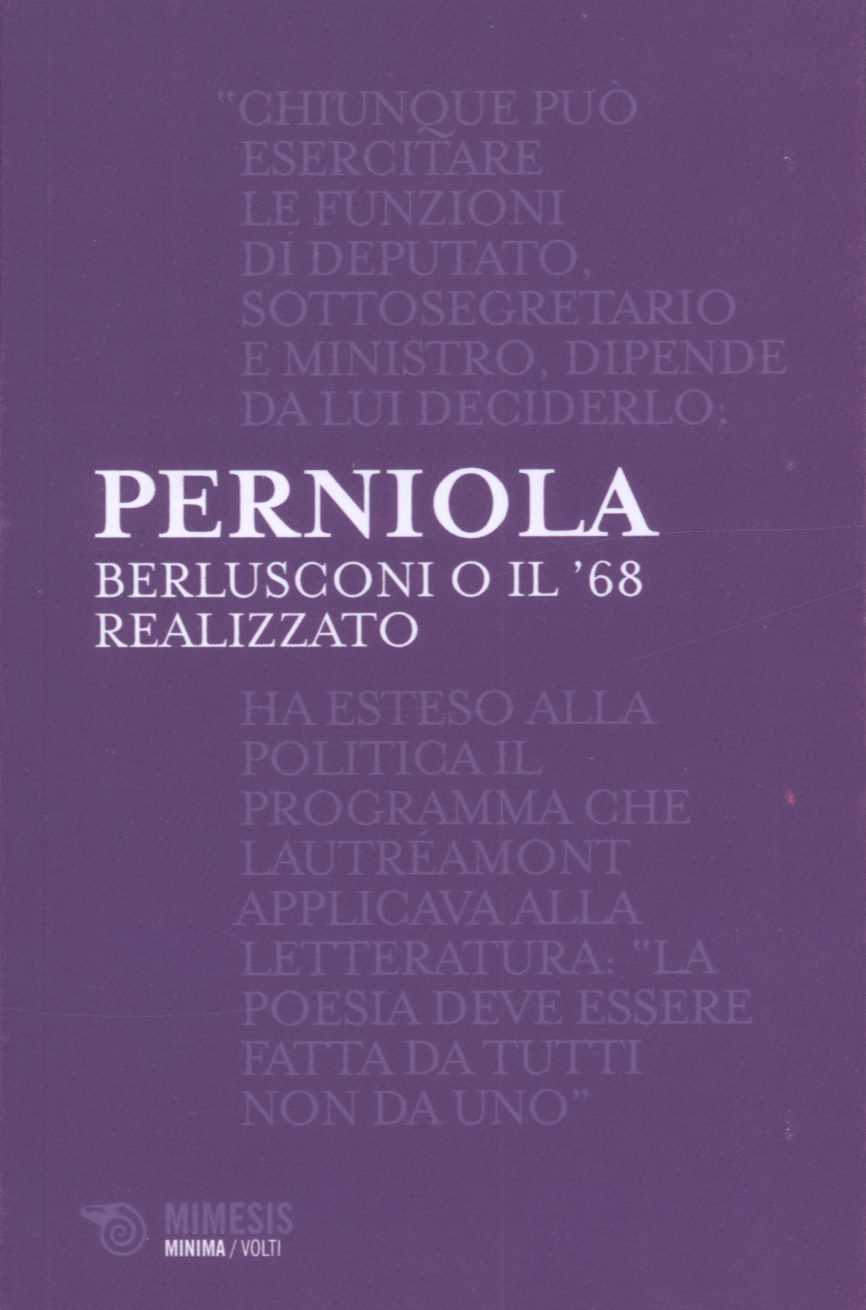
The small bookstores and street bouquinistes are precious. Old editions can be found from them, books that were thought to be out of print, authors and texts from small publishers, garrison of freedom. Visiting a bookshop in the historic center of a small town we came across a little book of a few pages written in 2011 by the philosopher and art historian Mario Perniola, passed away recently. The title is intriguing, The text is interesting and can be read in one go: Berlusconi or '68 realized...
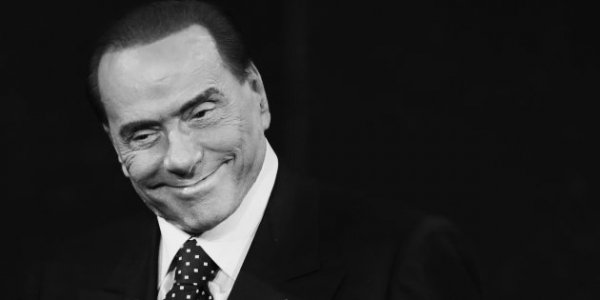
The thesis of the intellectual from Asti is that the Knight would be proof of the success of the anthropological revolution triggered by the ideas, Parisian and Californian, of the 1968. Strange indeed that the heterodox positions of a few thinkers are considered reactionary, together with powerful but isolated voices accused of "Rossobrunism" (Costanzo Preve) are accepted in some way, or at least revisited, by a figure like that of Perniola. Already a left-wing extremist, close to the Situationist International in his youth until his personal friendship with Guy Debord, subsequently historian and philosopher of art on very critical positions of post modernity, enemy of “weak thinking”, protagonist of heated controversies with Gianni Vattimo, presents a surprising thesis and not without a certain charm. The knight of Arcore would be, in the vision of Luigi Pareyson's student, the one who achieved what 1968 had supported.
As an insider of the movement (Perniola was born in 1941 and began to intervene in the cultural debate in the mid-1950s 60) he sees in the figure of Berlusconi “that will to power, that ranting triumphalism, that extreme desire to destabilize the whole of society which pervaded 1968. End of work and family, deschooling, destruction of the university, deregulation of sexuality, counter-culture, and discredit of medical expertise and collapse of healthcare facilities, hostility towards judicial institutions considered repressive, youthful vitalism, triumph of mass media communication, oblivion of stories and spontaneous presentism, all this has now become reality.” Read More

Share