

Holy Land: the shepherds discriminated against by the invaders
 Giuseppe Federici Study Center – For a new onset
Press release no. 156/19 of the 22 February 2019, Saint Margaret of Cortona
Holy Land: the shepherds discriminated against by the invaders
. The article we highlight, published on the website of the Custody of the Holy Land, denounces the violent discrimination suffered by Palestinian shepherds in the Hebron area, by the Israeli government and fanatical settler groups. Curiously, those in Italy and Europe oppose it, rightly, to current immigration, in the Holy Land they support the invaders and not those who suffered the Zionist invasion: “immigrants first”?
The cave people of Masafer Yatta
In the 2019 in the Holy Land, not too far from the routes of tourists and pilgrims, there are realities of profound misery, like that of the hills south of Hebron that we are going to tell you about.
They live in small caves carved into the rock, in stone rooms without furniture, no bathrooms and no running water. Every morning they have animals to look after, bread to be cooked under boiling ashes, the olive trees to be looked after beyond the dirt road. Every night they take down those thin, colorful mattresses and place them on the floor to sleep on. It's the life of the approximately 1.400 Palestinians of Masafer Yatta, in the hills south of Hebron in the Palestinian West Bank. Between Yatta city and the green line (drawn up with the armistice of 1949 which "separates" Israel from the occupied Palestinian territories) one of the most forgotten areas of the Holy Land is located. At-Tuwani, a-Tuba, Um Fagarah, Maghayir al-Abeed, susia, Qawawis, Shib al Butum, Isfey Foqa, Isfey Tihta, al-Majaz, at-Tabba, al-Fakheit, Jinba, It's happening, Halaweh are the names of fifteen small towns largely unknown even to the population of the region. In these villages people live mainly from sheep farming, of the sale of dairy products, of what can be grown despite the aridity of the soil.

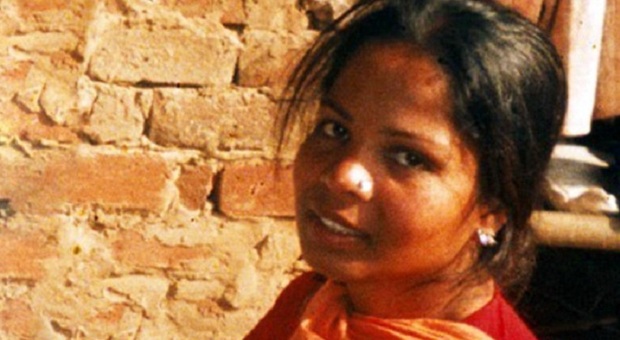 Reporting of Federici Studies Center
 Reporting of Federici Studies Center
 Reporting of Federici Studies Center

 Reporting of Federici Studies Center
 We read the statement from the Society of Saint Pius “canonization” of Montini is valid or not. We have listened to this homily and the invalidity appears obvious in the clear exposition of the Catholic argument. We remain convinced that the solution cannot be the Cassiciacum Thesis, but in this homily we find the immutable Magisterium of the Church.
 Reporting of Federici Studies Center