

Of Claudio Risé
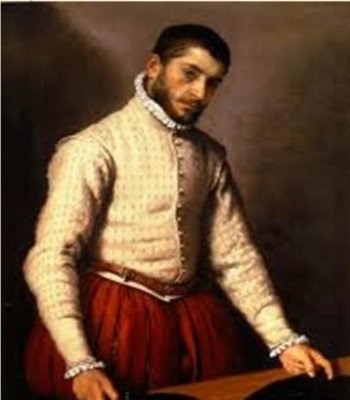
Source: Claudio Risé
The search for the good and the beautiful has always been the vocation of our country.
And it generates a unique creativity that makes Franco-German Europe tremble. Also
because it creates a model contrary to globalized production.
The Italy that does and does well is back in great shape, who invents, conquest
markets and friendliness with his intuitions and his free creativity. A
vocation already very strong in Etruscan and Roman times, and what it became
irresistible since the Renaissance, when he inspired an entire philosophy throughout Europe
and way of life. Leonardo da Vinci, the convinced Renaissance artist-scientist
That “Selvadego is the one who saves himself” (to whom this column is dedicated), he was first and foremost a formidable craftsman, and he is one of the major theoretical and practical inspirers of this success story.
It was the silver lyre in the shape of a horse skull designed by Leonardo himself, executed and delivered to Ludovico il Moro as a gift from Lorenzo the Magnificent to win the admiration of the lord of Milan and in
followed by other Italian and European courts. Today, however, Italian creativity worries Europe, or rather its bureaucracy, fearful that the more expansive economic policy adopted by Italy will strengthen its position as a major player
exporter of manufactured goods and food and agricultural products, already very strong on international markets.
And it generates a unique creativity that makes Franco-German Europe tremble. Also
because it creates a model contrary to globalized production.
The Italy that does and does well is back in great shape, who invents, conquest
markets and friendliness with his intuitions and his free creativity. A
vocation already very strong in Etruscan and Roman times, and what it became
irresistible since the Renaissance, when he inspired an entire philosophy throughout Europe
and way of life. Leonardo da Vinci, the convinced Renaissance artist-scientist
That “Selvadego is the one who saves himself” (to whom this column is dedicated), he was first and foremost a formidable craftsman, and he is one of the major theoretical and practical inspirers of this success story.
It was the silver lyre in the shape of a horse skull designed by Leonardo himself, executed and delivered to Ludovico il Moro as a gift from Lorenzo the Magnificent to win the admiration of the lord of Milan and in
followed by other Italian and European courts. Today, however, Italian creativity worries Europe, or rather its bureaucracy, fearful that the more expansive economic policy adopted by Italy will strengthen its position as a major player
exporter of manufactured goods and food and agricultural products, already very strong on international markets.
Its two major European competitors, France e
Germany would naturally prefer to buy more Italian companies
sophisticated at a discount, also thanks to the pressures of speculation
financial, rather than finding them as competitors on the markets
international. This is what happened, for example, at Buitoni (and many others),
purchased by Nestlé which thus got rid of its competitor, e
he then moved his Italian pasta research center to Ohio.
He talks about all this: The Italian style. History, economy and culture of made in
Italy, by Romano Benini (Donzelli Ed.), with extensive documentation taken from
many different disciplines: economy, history, politics, material culture .
Also the fact that young Italian political leaders no longer play the game of
fear and threats from great powers raises hopes a little’ everywhere (e
corresponding fears). Young people are now starting to glimpse by example
Italian that perhaps we can get out of a wrong development model, maybe yes
can focus not only on shoddy products and materials but on beautiful things and
good, that give pleasure and satisfaction to those who produce them and to those who use them
consume, instead of everyone feeling bad, and in the end only a very few earn.
The fact is that what Italy produces is not just a whim of young politicians
inexperienced and intemperate, as the Soloni dei obsessively repeat
newspapers, or an ancient vocation to anarchy. No, it's just one
“stile” in its highest sense, of another way of life compared to society
of standardized mass consumption. A way that in our area is
forever home, and combines the search for well-being and pleasure “fare
bene”, with knowledge of yourself and your style, without which it does not exist
well being. A development model already started by the Etruscans who invented
(with beautiful creations) two objects like the mirror and the mask.
Apparently inspired by absolute vanity, and as such re-proposed for
millennia. But at the same time the subject of profound theorizations
philosophical and spiritual: the mirror as a mirror of the soul (which yes
For example, Socrates refers) and the mask as an instrument of one
part of hiding, but on the other of self-expression and research.
Of course all this, as well as the entire Italian craftsmanship, from the goldsmith
Welcome Cellini to Marinella, the Neapolitan king of ties in the world,
inspires a development model opposite and contrary to that of the production of
mass and without quality of globalized society, on which the
large part of consumer society. A different model, that precisely for
this also pays off from an economic point of view, and therefore social. That's right
the search for the beautiful and good in fact, and the determination to execute it well, ad
having allowed Italy not only to survive the heavy and very long
crisis that has lasted since 2007 to the day before yesterday, but also to grow within it,
earning you important positions both in economic and quality terms
of life, and compensating at least in part for the losses of political management,
which stubbornly continued with mass production, with zero creativity,
low profits and high pollution. The fact is that, as the philosopher wrote
Gaston Bachelard, man is made for desire, not for consumption.
The tradition of “do well” characteristic of the Italian style, he could
adopt the dei model with new creativity “districts” small and medium-sized producers
industries giving a new meaning to ancient territorial vocations and
to their extraordinary potential. Their production has thus recovered
well above pre-crisis levels, they bypass the risks brilliantly
inevitable in “economies of quantity” into which Italy had been thrown by
archaic policies, inspired by the large mass parties in power down to a few
months ago. The author carefully documents how much it has damaged Italy
who had focused on quantity without quality. “This losing Italy – use
Benini again – however, he is still on the field: try in every way to continue
create problems for Italians by appealing to political assistance and
seeking the privilege of annuities, incentives and favors”.
Another great disaster was certainly the devaluation and loss of identity of
professional schools and the fiscal policy hostile to the very strong tradition of
artisan workshops, opposed for reasons of power by unions and parties
of mass of which they were an expression. This has indeed produced a great
unemployment among young people without quality professional and other training
part not interested in university courses. The neither-nors, young people who do not study
nor do they work, about a quarter of young people 15 and i 35 years, were produced
from this contempt for manual labor, always meaningless but
still fueled by the bureaucracies of the old politics.
The damage caused goes beyond the economy and has put profound knowledge at risk, e
the balance, also territorial, of the generations that were involved.
“Craftsmanship, explains Benini, it is the connection between the heart and the mind of
a place, the method with which the knowledge and flavor of a territory is expressed,
that uniqueness that must be supported and promoted because it cannot be transferred elsewhere,
and it is a heritage for everyone”. On the other hand, everything also gets similar evaluations
the very current field of research exposed by Luca Ciabarri in the recent
collection of essays: Material culture, edited by Raffaello Cortina.
A risk that is still current, caused precisely by the success of the Italian style,
it is that of its falsification. For every Italian product sold in the world
as an Italian there is another who pretends to be one, but it isn't, like the
Parmesan which is neither Italian nor Parmesan; and in the USA yes
he discovered that it was laced with cellulose-rich, bad wood chips
for health. The more the success of Made in Italy increases, the more they increase
even the fakes. But it is only the confirmation of success.
The value of Italian style is the discovery that you can live in another way.
Not in “not places” completely artificial, devoid of life and history of their own but
in territories full of creative energies consolidated over the centuries, with a style of
life attentive to pleasure (the gaudium, enjoyment, so important also in
Gospels, as Benini recalls), to beauty and conviviality, away from
ugly gloom of consumerist obsessions. In an attention to beauty and to
good that imbues objects and those who make and purchase them, but it also pushes everyone to
look and climb much higher.
Germany would naturally prefer to buy more Italian companies
sophisticated at a discount, also thanks to the pressures of speculation
financial, rather than finding them as competitors on the markets
international. This is what happened, for example, at Buitoni (and many others),
purchased by Nestlé which thus got rid of its competitor, e
he then moved his Italian pasta research center to Ohio.
He talks about all this: The Italian style. History, economy and culture of made in
Italy, by Romano Benini (Donzelli Ed.), with extensive documentation taken from
many different disciplines: economy, history, politics, material culture .
Also the fact that young Italian political leaders no longer play the game of
fear and threats from great powers raises hopes a little’ everywhere (e
corresponding fears). Young people are now starting to glimpse by example
Italian that perhaps we can get out of a wrong development model, maybe yes
can focus not only on shoddy products and materials but on beautiful things and
good, that give pleasure and satisfaction to those who produce them and to those who use them
consume, instead of everyone feeling bad, and in the end only a very few earn.
The fact is that what Italy produces is not just a whim of young politicians
inexperienced and intemperate, as the Soloni dei obsessively repeat
newspapers, or an ancient vocation to anarchy. No, it's just one
“stile” in its highest sense, of another way of life compared to society
of standardized mass consumption. A way that in our area is
forever home, and combines the search for well-being and pleasure “fare
bene”, with knowledge of yourself and your style, without which it does not exist
well being. A development model already started by the Etruscans who invented
(with beautiful creations) two objects like the mirror and the mask.
Apparently inspired by absolute vanity, and as such re-proposed for
millennia. But at the same time the subject of profound theorizations
philosophical and spiritual: the mirror as a mirror of the soul (which yes
For example, Socrates refers) and the mask as an instrument of one
part of hiding, but on the other of self-expression and research.
Of course all this, as well as the entire Italian craftsmanship, from the goldsmith
Welcome Cellini to Marinella, the Neapolitan king of ties in the world,
inspires a development model opposite and contrary to that of the production of
mass and without quality of globalized society, on which the
large part of consumer society. A different model, that precisely for
this also pays off from an economic point of view, and therefore social. That's right
the search for the beautiful and good in fact, and the determination to execute it well, ad
having allowed Italy not only to survive the heavy and very long
crisis that has lasted since 2007 to the day before yesterday, but also to grow within it,
earning you important positions both in economic and quality terms
of life, and compensating at least in part for the losses of political management,
which stubbornly continued with mass production, with zero creativity,
low profits and high pollution. The fact is that, as the philosopher wrote
Gaston Bachelard, man is made for desire, not for consumption.
The tradition of “do well” characteristic of the Italian style, he could
adopt the dei model with new creativity “districts” small and medium-sized producers
industries giving a new meaning to ancient territorial vocations and
to their extraordinary potential. Their production has thus recovered
well above pre-crisis levels, they bypass the risks brilliantly
inevitable in “economies of quantity” into which Italy had been thrown by
archaic policies, inspired by the large mass parties in power down to a few
months ago. The author carefully documents how much it has damaged Italy
who had focused on quantity without quality. “This losing Italy – use
Benini again – however, he is still on the field: try in every way to continue
create problems for Italians by appealing to political assistance and
seeking the privilege of annuities, incentives and favors”.
Another great disaster was certainly the devaluation and loss of identity of
professional schools and the fiscal policy hostile to the very strong tradition of
artisan workshops, opposed for reasons of power by unions and parties
of mass of which they were an expression. This has indeed produced a great
unemployment among young people without quality professional and other training
part not interested in university courses. The neither-nors, young people who do not study
nor do they work, about a quarter of young people 15 and i 35 years, were produced
from this contempt for manual labor, always meaningless but
still fueled by the bureaucracies of the old politics.
The damage caused goes beyond the economy and has put profound knowledge at risk, e
the balance, also territorial, of the generations that were involved.
“Craftsmanship, explains Benini, it is the connection between the heart and the mind of
a place, the method with which the knowledge and flavor of a territory is expressed,
that uniqueness that must be supported and promoted because it cannot be transferred elsewhere,
and it is a heritage for everyone”. On the other hand, everything also gets similar evaluations
the very current field of research exposed by Luca Ciabarri in the recent
collection of essays: Material culture, edited by Raffaello Cortina.
A risk that is still current, caused precisely by the success of the Italian style,
it is that of its falsification. For every Italian product sold in the world
as an Italian there is another who pretends to be one, but it isn't, like the
Parmesan which is neither Italian nor Parmesan; and in the USA yes
he discovered that it was laced with cellulose-rich, bad wood chips
for health. The more the success of Made in Italy increases, the more they increase
even the fakes. But it is only the confirmation of success.
The value of Italian style is the discovery that you can live in another way.
Not in “not places” completely artificial, devoid of life and history of their own but
in territories full of creative energies consolidated over the centuries, with a style of
life attentive to pleasure (the gaudium, enjoyment, so important also in
Gospels, as Benini recalls), to beauty and conviviality, away from
ugly gloom of consumerist obsessions. In an attention to beauty and to
good that imbues objects and those who make and purchase them, but it also pushes everyone to
look and climb much higher.
