

In the EU neither free nor (above all) equal
Of Maurizio Blondet
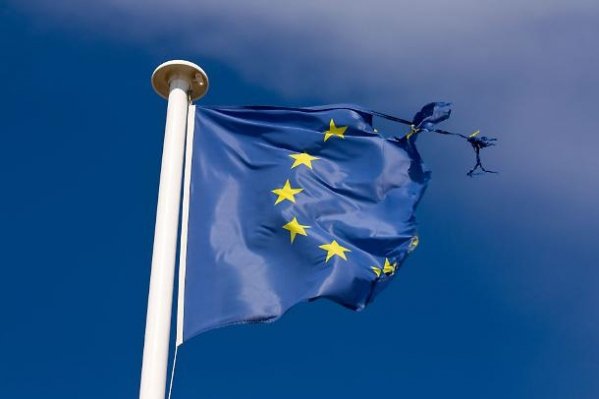
Source: Maurizio Blondet
We were talking yesterday:
Every day we need to become more aware that the struggle towards this EU is a true liberation struggle - for the reconquest of freedom and equality in the European assembly, where we have been reduced to inferiors and subordinates.
An OECD woman orders us not to abolish the Fornero law and accuses Italy of being "a risk for European prosperity".
The ECB and the Commission threaten us with apocalypse and retaliation if we "exceed" the 1.6 percent deficit, denying us the 2, and the 2,9 – but it wasn't the 3, the limit for everyone else? while Macron will exceed the 3 percent this year as well as for at least five years, without receiving any censorship.
What we are so strictly prohibited from doing is deficit spending 10-15 billion; while the ECB has not noticed that Danske Bank has, between 2007 and the 2015, recycled 200 billion euros – and all in the Estonian branch, that is, of a country of 1,4 millions of inhabitants, whose gross domestic product is 22 billion, that is, a tenth of the amount recycled and made to disappear. But Denmark and Estonia are not a risk to Europe's prosperity – Italy is. Read More
 No death sentence for the apostate, and freedom of choice for those who want to embrace other faiths: This is what the Higher Council of Ulema in Morocco expressed itself for the first time, paving the way for Islamic reformism