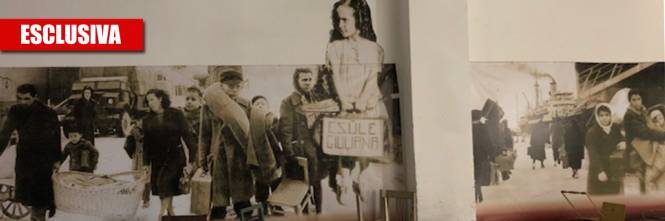
 At the end of the Second World War over 300 thousand Italians lived in Istria, from Fiume and Dalmatia flee from their lands to escape the violence of Marshal Tito's partisans
Of Serenella Bettin Marianna Di Piazza
“Every time I close my eyes, I'm going to sleep at my house”. Anita Derin stares at photographs from her childhood and, with his voice cracking with emotion, recounts his exodus.
I had 12 years when she was forced to leave her city, Koper, to escape the violence of partisans of Marshal Tito. “The Slavs have arrived, they began to kill“, explains Anita. “It had become dangerous there. We couldn't do anything but run away”.
“The military occupied my house, ate my horse. I have been several times imprisoned: or because I had a nice dress, or because I went around taking photographs with my Vogtlander”. Anita today has 83 years, He lives in Trieste and carries the memories of his entire childhood in his heart (watch the video).
But Anita is just a small drop in the ocean. At the end of the Second World War over 300 thousand Italians lived in Istria, of Fiume and Dalmatia they run away from their lands. Tens of thousands are killed in the headquarters or deported to Tito concentration camps. “Tito looked after his own interests. He wanted to make us lose our identity. Our Italian identity was erased”, says Giorgio Gorlato, Istrian exile. “I ran away with my mother and sister to Friuli. My father, however, remained in Dignano. One night the partisans did it irruption in our house. Since then nothing more has been heard of him”.
 “We couldn't do anything but run away”
The welcome
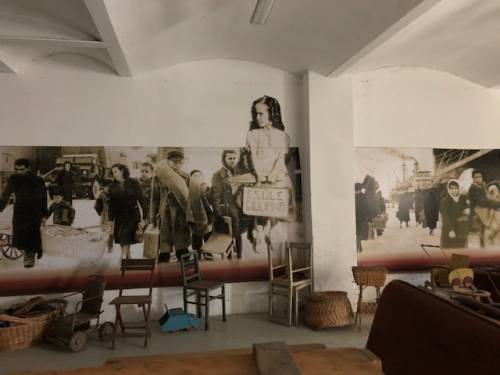
Anita as Giorgio. Children forced to run away and start a new life far from their homes and often even from their families. “When we arrived in Italy, we were not welcomed well – says Anita -. Both at school and at work. I once heard a mother tell her son that he was having a tantrum: 'If you don't shut up, I'm calling the exiles. We wouldn't even be bestie“. “It wasn't easy – says Giorgio -. We were frowned upon: we were either fascists or communists. There was little empathy. We came to Italy for many years ignored“.
The Warehouse 18
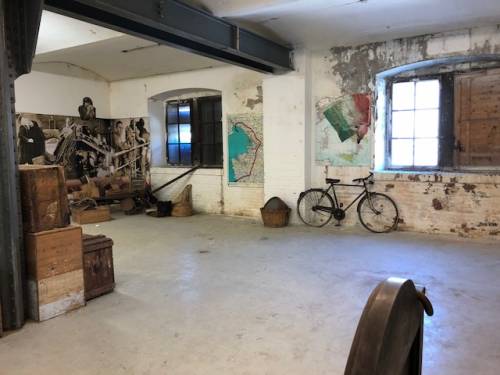
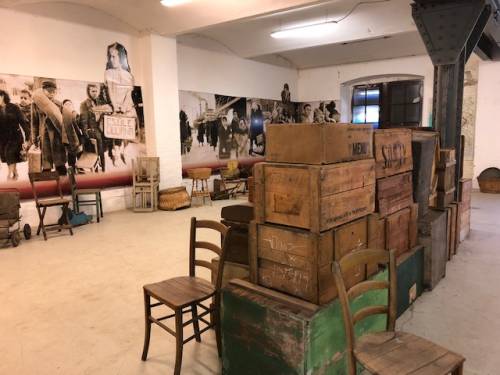
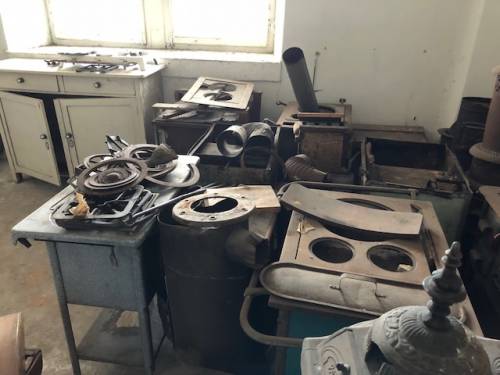
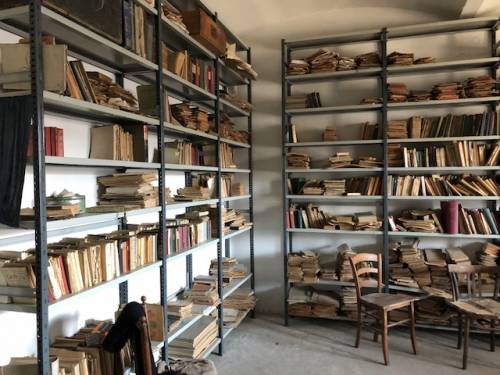
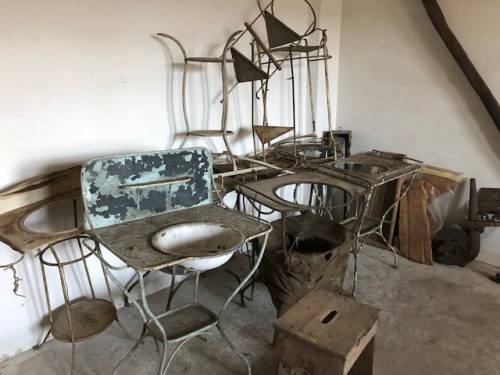
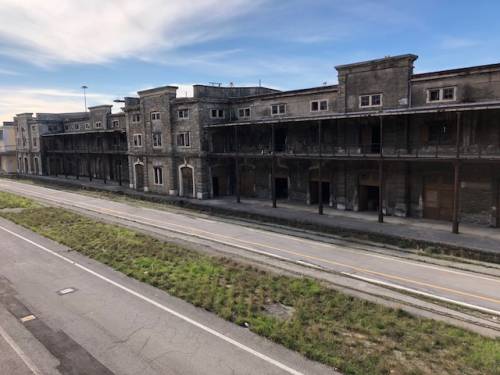
To access the Warehouse 18 we travel a few hundred meters by car. There are only old buildings around. Of those worn and worn by time. Of those who still have the noise of the dead and the torment of the living imprinted on them. And here, in the old port of Trieste, to the warehouse 18, there is what remains of the Italian exiles. As soon as we get out of the car, that number, 18, it crashes straight in front of us. It is imprinted on that facade corroded by humidity and salt, come i memories of our compatriots forced to flee Istria, from Fiume and Dalmatia, after Marshal Tito, il 10 February 1947, assigned these lands to Yugoslavia.
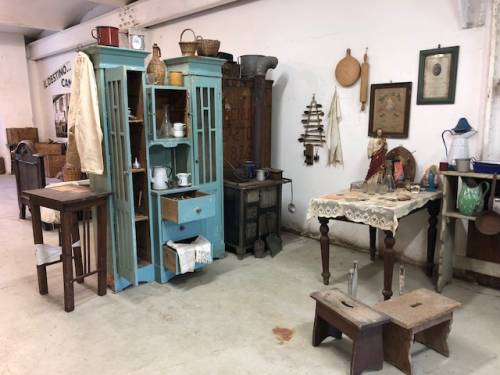
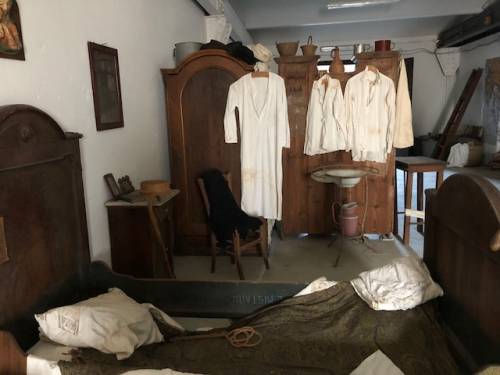
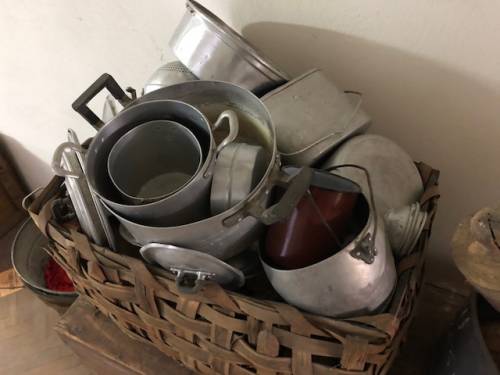
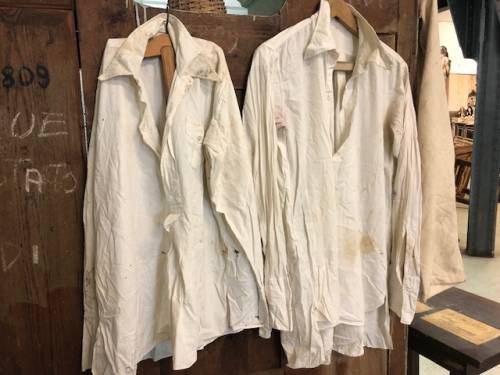
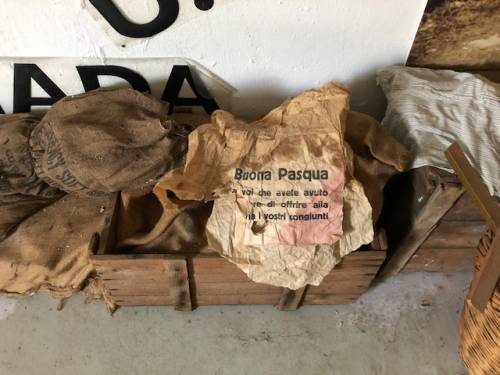
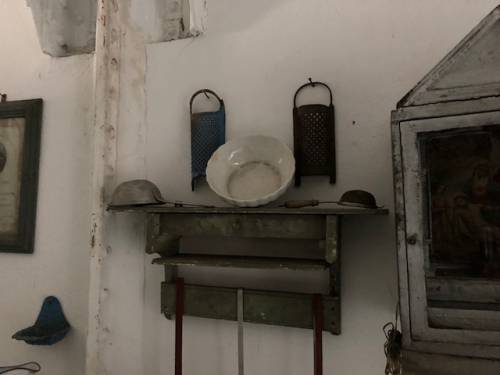
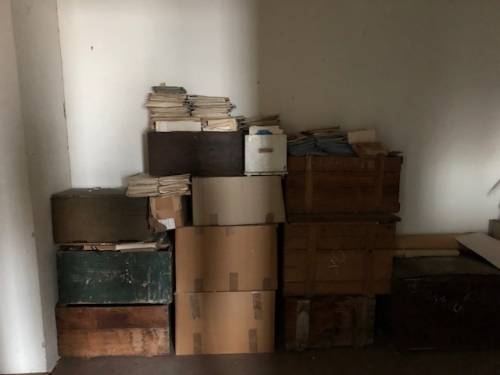
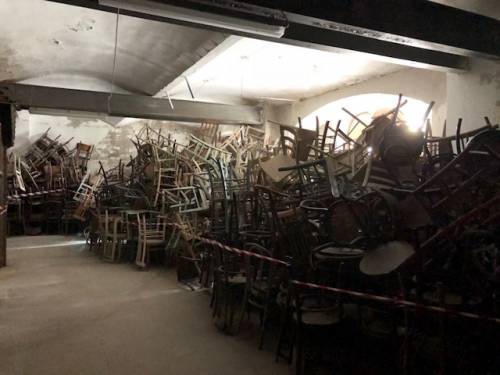
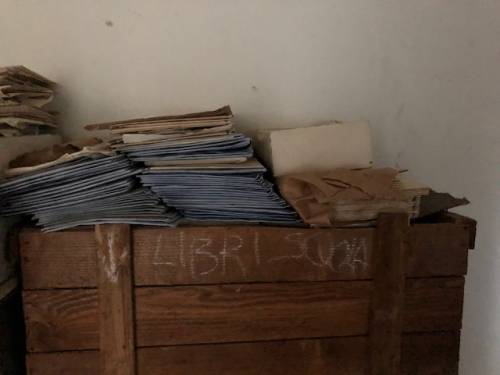
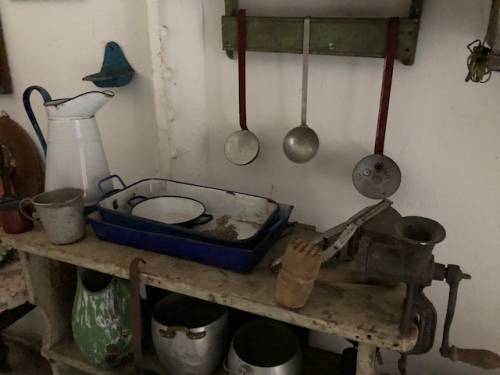
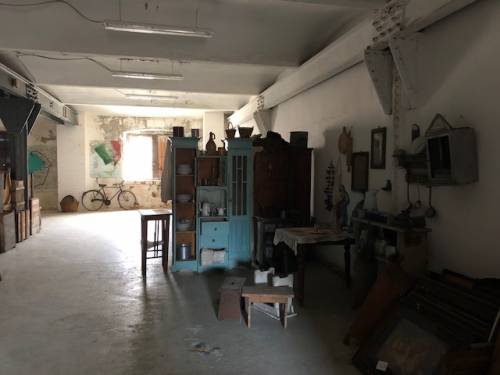
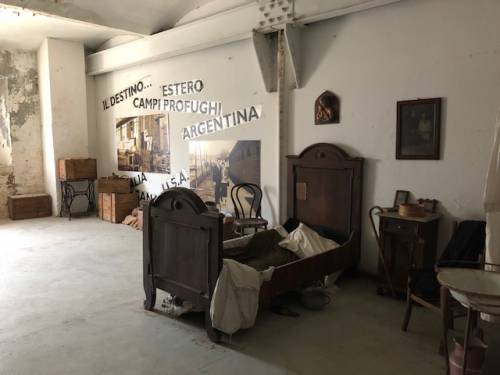
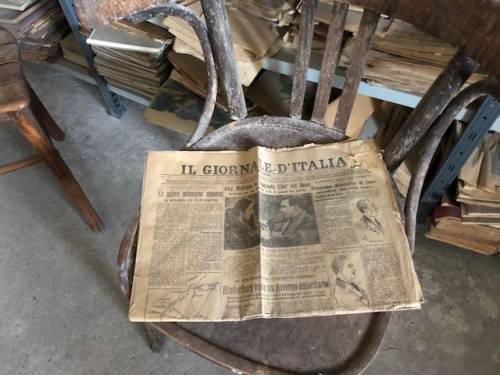
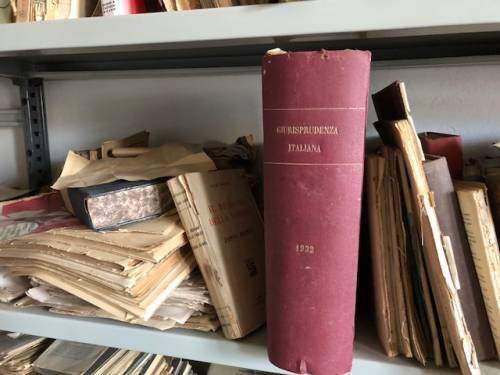
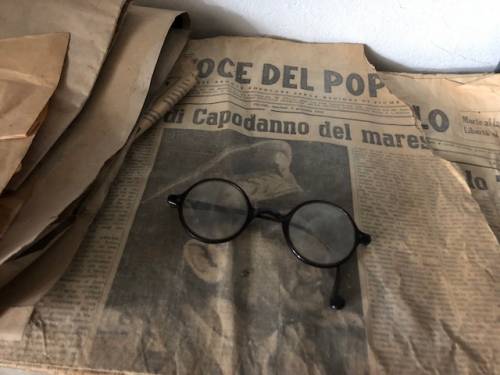
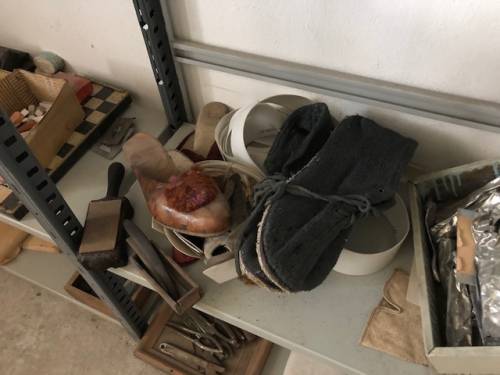
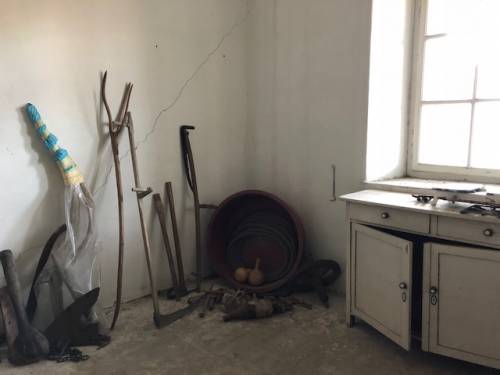
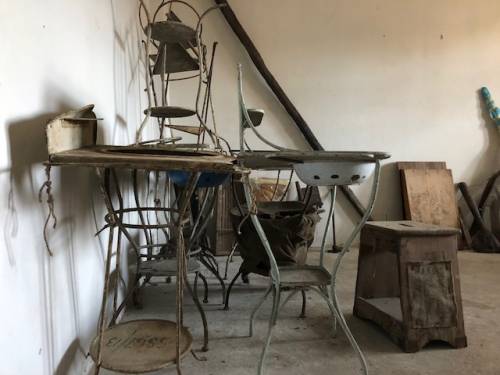
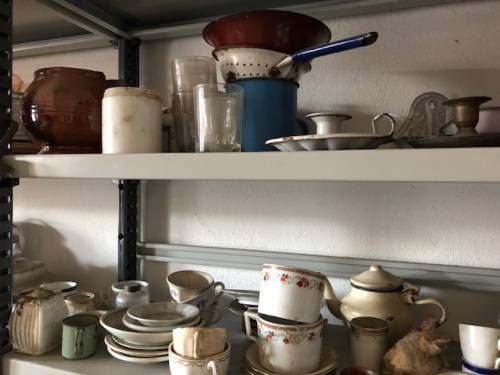
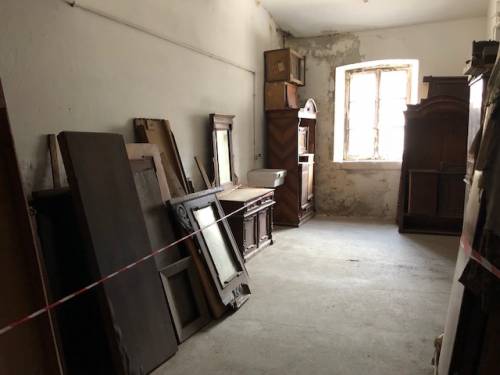
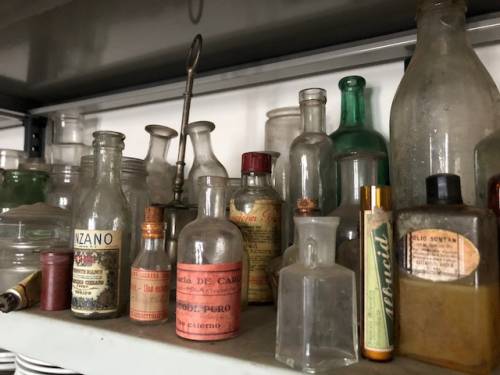
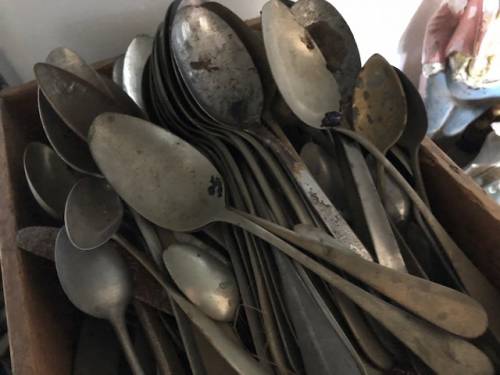
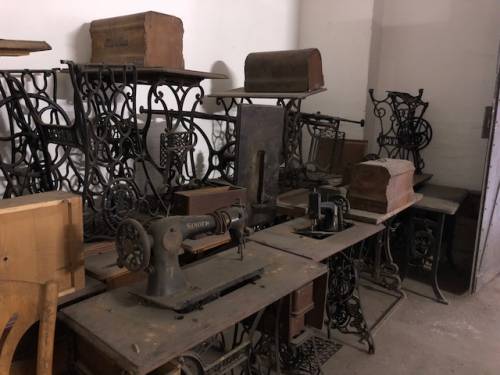
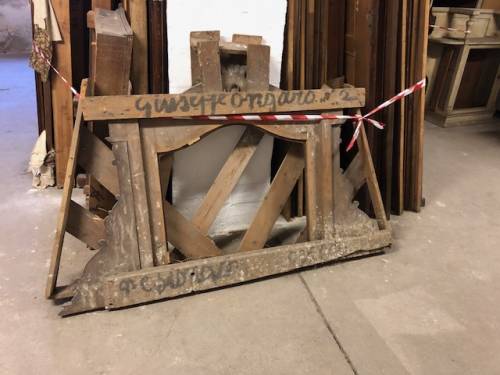
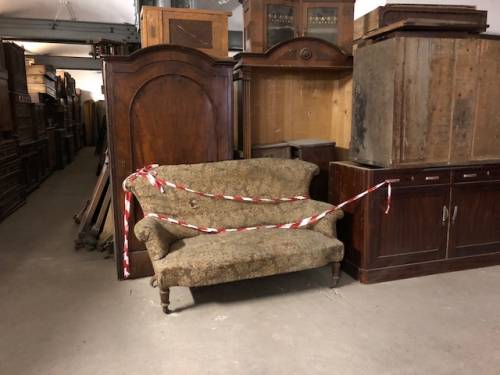
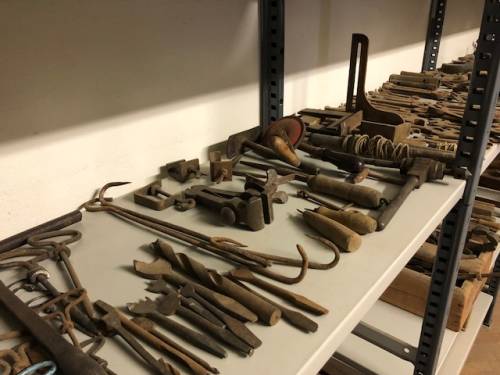
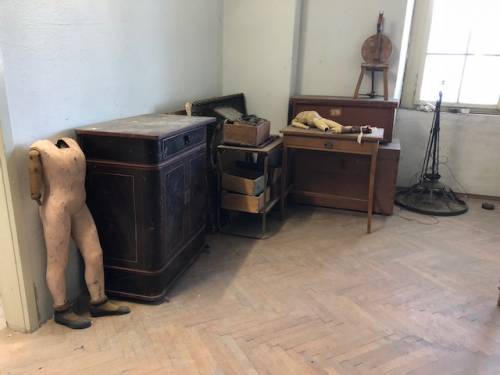
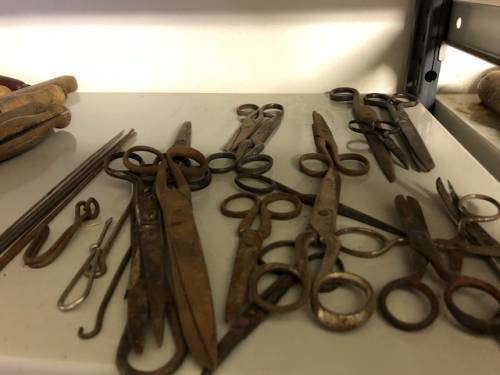
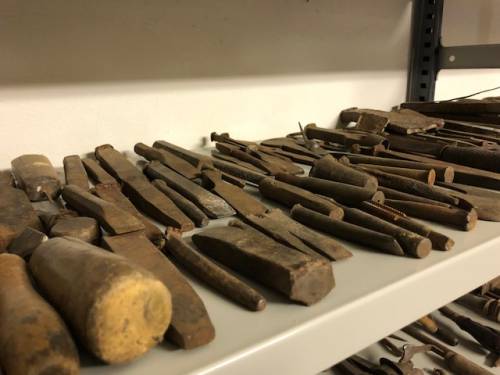
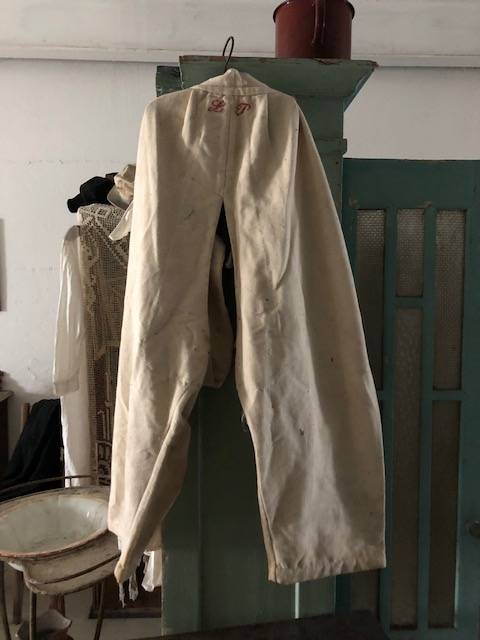
Here our compatriots brought their things, those that remained, looking for a foothold from which to start again. Their homes, Indeed, they were gutted, raided and robbed by the Titos. It's cold inside, a damp cold and the household goods they are still placed like this, as the exiles had placed them. They look flat, crockery, cups, old and worn tablecloths, mobile, beds, chairs upon chairs, yellowed clothes, shoes, whole boxes of
buttons, old newspapers, books and even eyeglasses.
Now the Warehouse 18, became famous thanks to Simone Cristicchi's show, it became a sort of “museo” which opens the week of 10 February.
 Warehouse 18, where time has stopped